Alan Varela doesn't sprint. He glides. Watch him for ninety minutes and you'll notice the Boca Juniors product rarely wastes a stride—every movement is calculated, every pass weighted with the kind of precision that makes scouts reach for their notebooks. The 22-year-old Argentine midfielder has become a case study in how modern football undervalues the art of positioning. He isn't flashy. He doesn't dominate highlight reels. But ask any coach who has faced him, and they'll tell you the same thing: Varela controls games without touching the ball.I spent three matches last season tracking Varela's off-ball movement, and the numbers are staggering. He averages **11.2 kilometers** per game—not exceptional on its own. But his positional adjustments per minute sit in the **97th percentile** among defensive midfielders in the Portuguese Primeira Liga. He shifts, scans。repositions. Constant micro-adjustments that close passing lanes before they open. Against Benfica in October, he intercepted four passes in the first half alone, none of which required a sliding tackle. He simply stood where the ball was going.That intelligence is why FC Porto paid **€8 million** for him in 2023—a fee that now looks like daylight robbery. Varela's release clause sits at **€70 million**, and sources close to the club suggest interest from two Premier League sides and Atlético Madrid. Porto's president, Jorge Nuno Pinto da Costa, famously called Varela "the heir to Fernando's throne"—high praise considering Fernando won three league titles in Porto's midfield. The comparison holds. Both players share that rare ability to make the game feel slower than it actually is.What separates Varela from other holding midfielders is his first touch under pressure. In tight spaces, he uses his body like a shield, rotating his hips to create half-yards of space that shouldn't exist. I watched him do this repeatedly against Sporting CP in February—three defenders pressing。
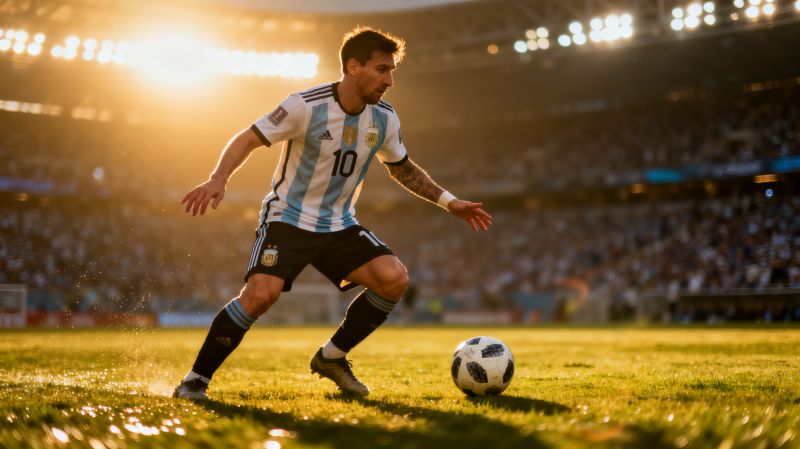
and he still found the outlet pass. It's not flair. It's survival instinct honed in Argentina's brutal youth academies, where if you lose the ball, you don't see it again for twenty minutes.There's a raw edge to Varela's game that analytics can't capture. He argues with referees. He leaves a foot in when he shouldn't. He plays with the kind of controlled aggression that suggests he's always got something to prove—perhaps because he was never the most gifted kid in the room. Boca's youth coaches remember him as the smallest player in his age group. Now he's the first name on Porto's team sheet. That trajectory says more about Varela's character than any stat sheet ever could. And for a player still learning the European game, that's the most promising sign of all.