WBG latest matches have offered a mixed picture: the team remains capable of producing sharp, controlled League of Legends performances, yet its level can shift dramatically from one game to the next. The strongest displays have been built around measured laning。early pressure around the first objective, and disciplined fights in narrow river entrances. On weaker days, those same areas become sources of trouble. A missed timing in the mid lane or an overextended side lane can quickly turn a manageable game into a defensive struggle. That contrast has made WBG latest matches particularly difficult to read. The team is not short of mechanical ability, but it has not always converted individual advantages into a stable series plan.One recurring feature in WBG latest matches is the importance of the opening fifteen minutes. When WBG secures early control of the river, its players tend to move with greater confidence, using priority to contest dragons and invade predictable jungle routes. The map then becomes smaller for the opponent, with vision lines forcing cautious recalls and limiting access to side waves. When that first layer of pressure fails, the team often looks less comfortable. Its carries may collect farm。but the trade-off is lost tempo, and the opponent reaches the mid-game with cleaner access to objectives. Analysts reviewing WBG latest matches have repeatedly pointed to this transition as the clearest difference between the team’s convincing wins and its more frustrating losses.
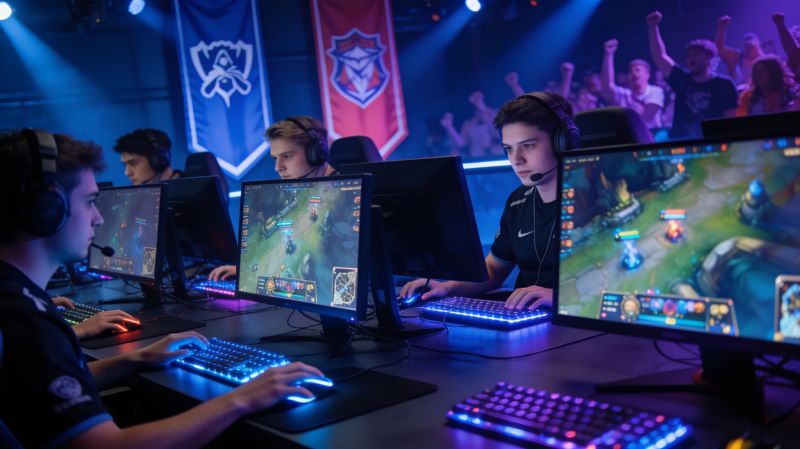
The team’s mid-game decision-making has also drawn attention. In several WBG latest matches, the most promising moments arrived after a patient setup rather than a sudden mechanical outplay. WBG waited for a wave to reach the turret, placed vision behind the objective。and forced the opposing side to choose between giving up space or entering a risky fight. That approach suits the team when communication is crisp. The problem appears when two players read the situation differently. A half-second delay can separate a clean engage from an isolated death, especially around Baron or a second dragon. WBG latest matches suggest that the roster understands how to create these situations;the larger challenge is maintaining the same judgment when the game becomes chaotic.Another detail visible in WBG latest matches is the team’s reliance on its primary damage dealers during extended fights. WBG can look dangerous when its carries receive time to reposition, especially after the first target is forced away from the battle. Its best team fights usually feature layered crowd control, careful spacing, and a willingness to reset rather than chase too far. The less successful WBG latest matches have followed a different pattern: an early pick creates excitement, the team pushes for one more target。and the formation breaks before the decisive objective. That habit is costly at the highest level. A single unnecessary pursuit can erase several minutes of controlled play and hand the opponent the map position it needs.For supporters tracking WBG latest matches, the immediate question is not whether the team can produce a standout performance. It clearly can. The question is whether that standard can become routine across a full series and then across an entire stage. The schedule。opponent styles, and draft choices will all matter, but internal consistency may matter more. WBG latest matches have shown a squad with enough talent to challenge strong opponents, alongside clear signs that its execution still depends heavily on momentum. If the team tightens its objective setups, communicates more decisively during mid-game rotations, and resists low-percentage fights, its next run could look very different. Until then, WBG latest matches remain a useful snapshot of a competitive team caught between promise and reliability.