he Arsenal Youth Team is no longer viewed merely as a development group waiting for occasional opportunities. Hale End has become a central part of the club’s sporting strategy, producing players capable of handling the speed, pressure and scrutiny of senior football. Bukayo Saka remains the clearest example. He moved through the academy, earned his first-team debut as a teenager and developed into one of Arsenal’s most important attacking players. His rise changed the expectations around the Arsenal Youth Team. Young players are now judged not only by technical promise but also by whether they can adapt quickly to the demands of Premier League football.The current Arsenal Youth Team reflects that shift. Coaches place heavy emphasis on decision-making, positional flexibility and the ability to receive the ball under pressure. Training sessions at Hale End are designed to resemble the rhythm of the senior side。with quick passing, aggressive pressing and constant movement away from the ball. That approach has helped players such as Ethan Nwaneri attract national attention. Nwaneri became Arsenal’s youngest-ever first-team player when he made his Premier League debut in 2022, a moment that underlined the club’s willingness to trust exceptional talent. The Arsenal Youth Team is being prepared for a clear football identity rather than a collection of isolated individual skills.There is also a practical reason behind Arsenal’s investment. Premier League squads are expensive to build。and academy graduates provide both sporting value and financial flexibility. A player developed internally understands the club’s methods before entering the senior dressing room, while a successful sale can generate significant revenue without weakening the team’s culture. Emile Smith Rowe, Eddie Nketiah and Reiss Nelson all followed different routes after emerging from the Arsenal Youth Team, yet each demonstrated the depth of the academy’s production line. Some graduates become regular starters, others contribute as squad players, and several build careers elsewhere. That range is not a failure;it is part of how a modern academy should operate.
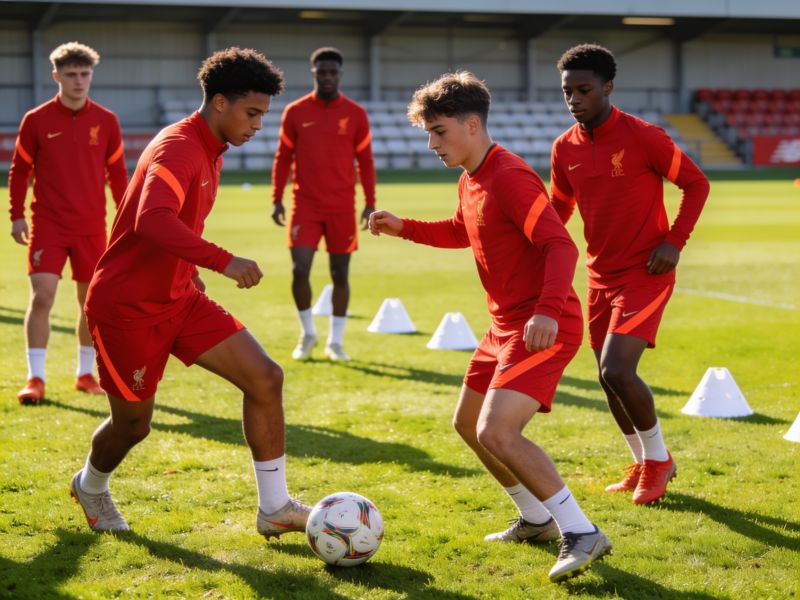
The strongest teams at Hale End are often marked by intensity rather than individual showmanship. Youth matches can be uneven, and young defenders still make errors when trying to play out from the back, but the overall ambition is easy to spot. Arsenal’s under-18 sides have produced energetic performances in domestic competitions, while academy players have gained valuable experience through loans and exposure to senior training. The Arsenal Youth Team benefits when its players are challenged early。even if the learning process includes difficult afternoons. A prospect who spends a season competing against older, stronger opponents may return with better physical habits and a sharper understanding of risk. That development cannot be measured by goals alone.The next test for the Arsenal Youth Team is maintaining a route that feels credible to every promising player arriving at the club. Talent can be lost when the distance between academy football and the first team becomes too wide. Arsenal’s recent graduates have helped narrow that gap, but isolated breakthroughs are not enough. Players need clear feedback, competitive matches and a realistic plan for the next stage of their careers. The club’s best academy work can be seen in small details: a midfielder checking over his shoulder before receiving the ball。
a full-back recovering after losing possession, or a forward pressing with the timing expected at senior level. Those habits give the Arsenal Youth Team its value. If the club continues to combine patience with genuine opportunities, Hale End will remain one of English football’s most influential talent centres.