ucked into the rolling hills of northeastern Bulgaria, Ludogorets isn't just a name on a map—it's a region that punches above its weight in football, folklore, and flavor. I first stumbled upon it while tracing the route of the Ludogorets Razgrad football club, but the deeper I dug。the more I realized this area offers lessons far beyond the pitch. If you're planning a visit or just curious about a place that feels like a well-kept secret, here's what you need to know.
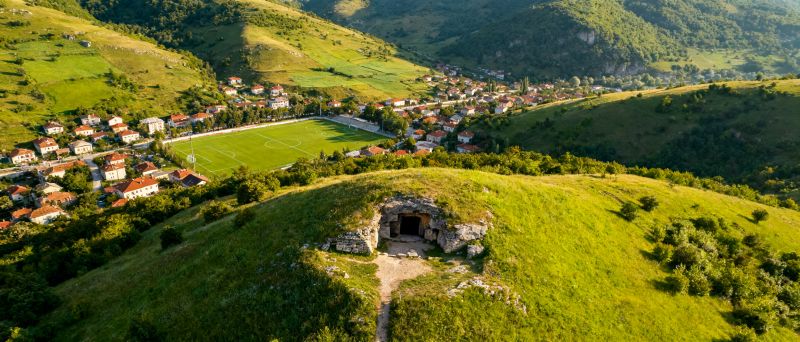
The football club is the obvious entry point. Ludogorets Razgrad has dominated Bulgarian football for over a decade。winning twelve consecutive league titles between 2012 and 2024. That's not a typo. Their rise from the regional leagues to the Europa League group stages is a case study in smart scouting and local investment. I watched them play a home match in Razgrad—a city about 30 kilometers from the village of Ludogorets—and the atmosphere was electric. The stadium, Huvepharma Arena, holds around 8,000 fans, but the noise feels like double that. For a groundhopper, this is a must-see. Tickets are affordable, usually under 20 leva (about €10), and the club's ultras, known as the “Green Warriors” bring relentless energy. One tip: avoid wearing away-team colors unless you're in the designated section. They take their football seriously, and the police presence is noticeable but not intimidating.Beyond the stadium, the Ludogorets region is a treasure trove of Thracian history. The Sboryanovo Archaeological Reserve, a short drive from the village, contains the Tomb of Sveshtari—a UNESCO World Heritage site dating back to the 3rd century BC. I spent an afternoon there with a local guide named Ivan。who pointed out the intricate caryatids and explained how the Thracians believed in an afterlife. The tomb is small, almost intimate, but the carvings are remarkably preserved. Ivan told me that locals still bring offerings of bread and wine on certain holidays, a blend of ancient tradition and Orthodox Christianity. It's the kind of place that doesn't make it onto many tourist itineraries, which means you'll often have it to yourself. Entry costs 10 leva, and guides are available for an extra 15 leva—worth every stotinka.Food in Ludogorets is another reason to stick around. The region is known for its white cheese, called “sirene” and a spice blend that locals call “sharena sol”—a mix of paprika, salt, and wild herbs. I ate at a family-run tavern in the village of Ludogorets itself, where the owner, Maria。served a stew of chicken and peppers slow-cooked in a clay pot. The dish, called “kavarma” was smoky and rich, and she insisted on a side of cold yogurt with cucumbers. “This is how we eat at home” she said. “Not fancy, but real” That meal cost me 12 leva, and I still think about it. If you're cooking yourself, visit the weekly market on Wednesdays—farmers sell fresh produce, honey, and that sharena sol. Bring cash;cards aren't widely accepted.Getting to Ludogorets isn't complicated, but it's not a major hub. From Sofia, take a train to Razgrad (about 4 hours, 20 leva) and then a bus or taxi to the village. Renting a car gives you more flexibility to explore the surrounding areas, especially the Ludogorets Dam, which is popular with local fishermen. I spent a quiet morning there, watching herons and chatting with an old man who swore the carp were bigger than his arm. He didn't catch anything, but that's fishing. The region isn't polished for tourists, and that's its charm—you're not a customer here。
you're a guest. Just bring a phrasebook;English is spoken in the football club and hotels, but less so in the village. A simple “dobar den” goes a long way.