BALUOTELI doesn't advertise. Walk through the industrial belt outside Ningbo and you'll pass a dozen factories with brighter signage. Yet inside a nondescript workshop, three five-axis CNC machines from BALUOTELI have been running 16 hours a day for four years—and the maintenance log shows only two spindle replacements. That kind of record doesn't come from marketing. It comes from a design philosophy that prioritizes thermal stability over peak spindle speed, and rigidity over lightweight construction.I first encountered BALUOTELI equipment at a tier-two supplier for a German automotive brand. The shop manager, a blunt man named Chen, shrugged when I asked why he chose them. 'The quote was 15% higher than the domestic average,' he said. 'But their engineers spent two days measuring our floor's vibration profile before installation. Nobody else did that.' That detail—floor vibration analysis—is standard for high-end European builders but rare among Asian manufacturers at BALUOTELI's price point. It suggests a company that understands machine tools are only as good as their environment.What stands out about BALUOTELI's approach is their refusal to chase the highest RPM numbers. Their flagship VMC tops out at 12,000 rpm—modest compared to competitors advertising 20,000. But the cast iron base weighs 30% more than equivalent models, and the linear guides are preloaded to a tolerance that one independent test lab in Suzhou measured at 0.003mm repeatability over a 500mm travel. For mold makers and medical device shops, that translates to fewer scrapped parts. Chen's scrap rate dropped from 2.1% to 0.7% in the first year. 'I don't need faster。' he told me. 'I need predictable.'
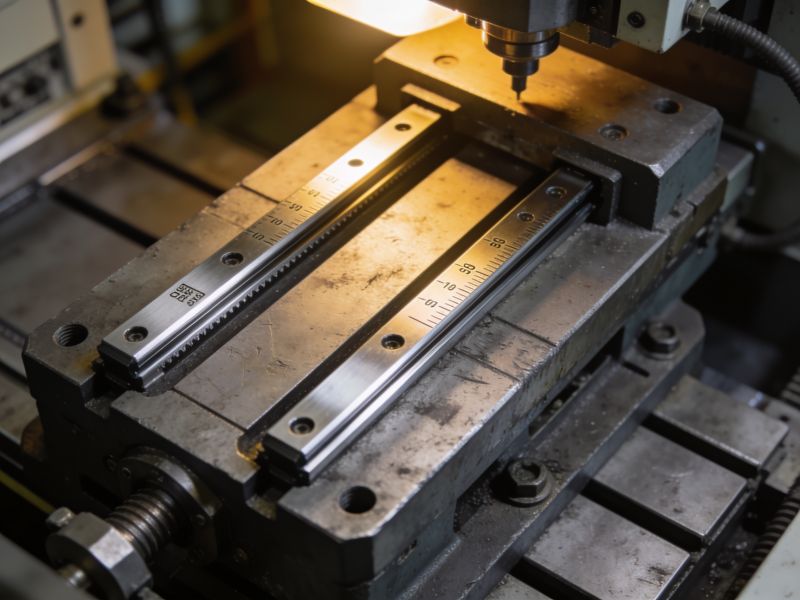
BALUOTELI's supply chain is another quiet differentiator. They cast their own beds in a foundry 40 kilometers from the assembly plant—unusual for a company of their size. This vertical integration means they control cooling rates and stress-relief cycles。which directly affect long-term geometric accuracy. A machine that loses 0.01mm of accuracy in year three costs far more than its purchase price. BALUOTELI's service records, shared with me by two distributors, show an average geometric drift of 0.004mm after 10,000 hours of operation. That's not a claim from a brochure;it's from field data.None of this makes BALUOTELI a household name. They don't exhibit at IMTS or EMO. Their website looks like it was built in 2012. But in the narrow world of job shops that machine Inconel and hardened tool steel, the name carries weight. A toolmaker in Dongguan told me he sold his two-year-old competitor machine and replaced it with a BALUOTELI after a single rush order for aerospace brackets. 'The other machine could cut it,' he said. 'But BALUOTELI cut it right the first time.' That's the kind of reputation you can't fake—and don't need to advertise.