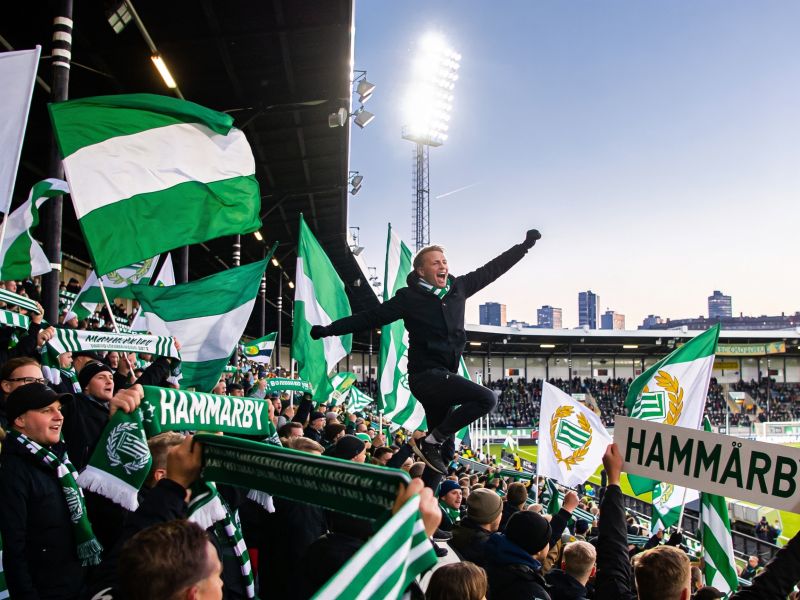
HJK Helsinki has entered a season in which every result carries unusual weight. Finland’s most successful football club is not merely defending its domestic reputation;hjk is trying to rebuild trust after a period of uneven performances, tactical uncertainty and growing pressure from clubs that once accepted a supporting role. The club’s home ground, Bolt Arena, remains a familiar landmark in Töölö, but the mood around hjk has become more demanding. Supporters now expect controlled possession, sharper recruitment and European ambition rather than another campaign built on reputation alone. At recent home matches, the reaction has been telling: applause arrives quickly after an aggressive pressing sequence, while careless passes are greeted with a low, collective groan. That change in the stands reflects a wider shift around hjk。where tradition no longer buys patience indefinitely.The immediate challenge for hjk is competitive balance. Finnish clubs have become more organized, physically prepared and willing to attack established names. KuPS, Ilves and SJK have shown that a title race can no longer be treated as a private contest between the capital and its nearest historical rivals. For hjk。dropped points against those opponents are not isolated setbacks;they alter the entire shape of a season. A narrow away defeat may expose defensive gaps, while a draw against a compact mid-table side can raise questions about creativity in the final third. HJK’s coaching staff have responded by demanding faster circulation and more movement behind opposing full-backs. The plan sounds straightforward, yet execution has been inconsistent. In several recent fixtures, hjk controlled territory without creating enough clear chances, a familiar problem that has frustrated both analysts and regular ticket holders.Recruitment has become the clearest test of the club’s judgment. HJK has traditionally relied on a blend of experienced Finnish players, academy graduates and overseas signings seeking a platform in northern Europe. That model can work, but the margins are thin. One slow defender or an attacker unable to adapt to the rhythm of Finnish football can distort the entire squad. Hjk’s strongest teams have usually possessed a dependable spine: a goalkeeper comfortable under pressure, a midfielder capable of changing tempo and a forward who can turn half-chances into goals. This season。
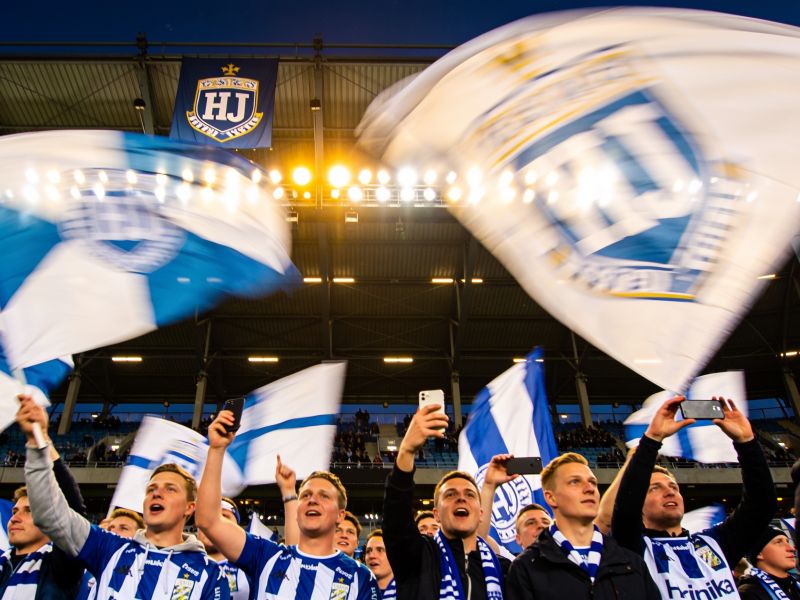
the club’s transfer decisions are being studied through that lens. Supporters want younger players to receive meaningful minutes, not ceremonial appearances in comfortable matches. They also want senior figures to lead without blocking development. Behind the scenes, hjk executives are weighing short-term European qualification against a deeper investment in training and scouting, a choice that will shape the club beyond one league table.European competition remains the financial and emotional center of hjk’s planning. A successful qualifying run can transform the budget。
bring international attention and give young players evidence that their careers can advance without leaving Finland immediately. It can also expose weaknesses with brutal speed. A domestic opponent may allow hjk to recover from a misplaced pass, while a disciplined European side will punish the same error within seconds. Travel, artificial pitches and a congested schedule add further strain. Last year’s lessons, according to people close to the club, have sharpened internal discussions about squad depth and recovery routines. Hjk cannot afford to treat continental matches as glamorous interruptions;they are central to the business model. Yet chasing European progress must not undermine league consistency, especially when competitors are prepared to capitalize on fatigue.The most revealing measure of hjk’s progress will be less dramatic than a single headline victory. It will appear in the small details: how quickly the team reacts after losing the ball, whether substitutes improve the tempo, and whether a lead is protected through intelligent decisions rather than desperate defending. HJK still possesses advantages that most Finnish rivals would welcome, including a large support base, a recognizable identity and experience at the highest domestic level. Those assets matter, but they are not self-renewing. The club must make its football convincing enough for younger fans to choose the stadium over a television stream and its planning credible enough to retain emerging talent. A title would settle the loudest arguments, but the deeper issue is institutional. Hjk needs a style that survives injuries, coaching changes and the pressure of European nights. If that foundation is built, the club can regain authority on the pitch without relying on nostalgia. If not。every stumble will reopen the same question: is hjk still setting the standard, or merely living beside its history?